


Lingual Braces vs. Invisalign: Which Treatment Is Best for You?
- masriorthodontics1
- 5 days ago
- 4 min read
Have you been thinking about straightening your teeth, but don't want traditional metal braces? You're not alone. Many teens and adults want a more discreet way to improve their smile without drawing attention to their treatment.
If you've been researching options like Invisalign Northville, you've probably come across another popular choice: lingual braces. Both treatments are designed to straighten teeth while being less noticeable than traditional braces. But which one is the better fit for your lifestyle, goals, and budget?
Let's take a closer look.

Understanding Lingual Braces
Lingual braces work much like traditional braces, but there's one major difference—they are attached to the back side of your teeth instead of the front. Because they sit behind the teeth, they remain hidden when you smile, talk, or laugh.
These braces use brackets and wires to gradually move teeth into their proper positions. Since they are custom-made for each patient, they can effectively treat many orthodontic issues, including complex alignment problems.
Benefits of Lingual Braces
Nearly invisible from the front
Effective for mild to complex orthodontic cases
No need to remember to remove or wear aligners
Customized to fit your teeth
Potential Drawbacks
Can take time to get used to
May temporarily affect speech
More challenging to clean
Often cost more than traditional braces
What Is Invisalign?
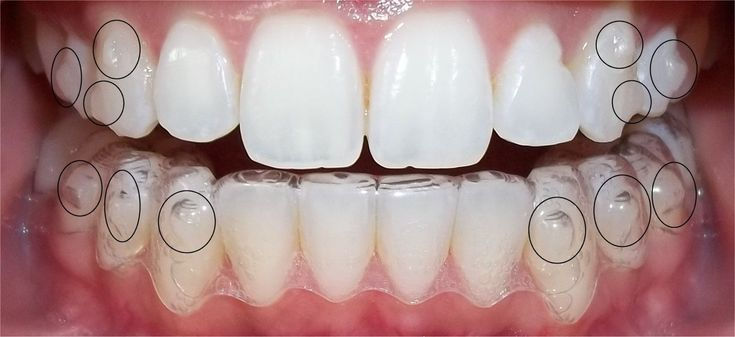
Invisalign uses a series of clear, removable aligners that gradually shift your teeth into position. The aligners are custom-made and replaced every few weeks as your treatment progresses.
One reason Invisalign has become so popular is its convenience. The aligners can be removed when eating, brushing, and flossing, making daily life easier for many patients.
Benefits of Invisalign
Nearly invisible appearance
Removable for meals and oral hygiene
No food restrictions
Smooth plastic material offers added comfort
Easy to maintain oral hygiene
Potential Drawbacks
Requires discipline and consistent wear
Aligners should be worn 20–22 hours daily
Easy to misplace if not stored properly
May not be ideal for certain complex cases
Lingual Braces vs. Invisalign: Side-by-Side Comparison
Feature | Lingual Braces | Invisalign |
Visibility | Hidden behind teeth | Clear and nearly invisible |
Removability | Fixed to teeth | Removable |
Comfort | Adjustment period needed | Generally comfortable |
Oral Hygiene | More difficult to clean | Easier brushing and flossing |
Food Restrictions | Yes | No, aligners are removed during meals |
Treatment Compliance | No patient responsibility | Requires consistent wear |
Speech Impact | May affect speech initially | Minor adjustment period |
Complex Cases | Often suitable | Depends on severity |
Cost | Usually higher | Varies by case |
Which Treatment Looks Better?
If appearance is your top concern, both options perform well.
Lingual braces are completely hidden because they sit behind the teeth. Invisalign aligners are very difficult to notice, but they are still visible up close.
For people who regularly attend meetings, presentations, social events, or public-facing jobs, either option can provide a discreet treatment experience.
Which Option Is More Comfortable?
Comfort can vary from person to person.
Invisalign aligners are made from smooth plastic, which means there are no brackets or wires that can irritate the cheeks or lips.
Lingual braces may require a longer adjustment period because they sit close to the tongue. Some patients notice temporary speech changes during the first few weeks.
Overall, many patients find Invisalign slightly more comfortable during everyday activities.
What About Treatment Time?
One of the most common questions patients ask is, "Which treatment works faster?"
The answer depends on your specific orthodontic needs. Factors such as crowding, spacing, bite issues, and treatment compliance all play a role.
For patients who consistently wear their aligners as directed, Invisalign can produce excellent results. However, because lingual braces remain attached at all times, they eliminate the risk of missed wear time.
The best way to estimate treatment length is through a personalized consultation.
Lifestyle Considerations Matter
Your daily routine can have a major impact on which option feels right.
You may prefer Invisalign if:
You want removable treatment
You play sports regularly
You enjoy flexibility during meals
You want easier oral hygiene
You may prefer lingual braces if:
You don't want to worry about wearing aligners
You have a more complex orthodontic issue
You prefer a fixed treatment option
You want braces that remain completely hidden
How to Choose the Right Treatment
There isn't a single treatment that's perfect for everyone.
The right choice depends on several factors:
Severity of your orthodontic concerns
Lifestyle preferences
Budget considerations
Comfort expectations
Commitment to treatment instructions
A consultation with an experienced orthodontist in Livonia can help determine which option will provide the best results for your smile.
Final Thoughts
Choosing between Invisalign and lingual braces can feel overwhelming at first, but both treatments offer excellent ways to achieve a healthier, straighter smile without the look of traditional metal braces.
The key is finding a solution that fits your goals, daily habits, and orthodontic needs. Some patients value the convenience of removable aligners, while others appreciate the reliability of a hidden fixed appliance.
At Masri Orthodontics, patients receive personalized treatment recommendations based on their unique smile goals and lifestyle. By understanding the advantages and limitations of each option, you can confidently choose the treatment that works best for you and enjoy a smile you'll love for years to come.
Frequently Asked Questions
Are lingual braces more expensive than Invisalign?
In many cases, lingual braces can be more expensive because they are custom-made and require specialized placement techniques. Costs vary depending on treatment complexity.
Can adults get lingual braces?
Yes. Many adults choose lingual braces because they provide a discreet orthodontic solution while effectively treating a wide range of alignment issues.
Do Invisalign aligners hurt?
Patients may experience mild pressure when switching to a new set of aligners, but this is usually temporary and often considered manageable.
Which treatment is better for complex cases?
The answer depends on the specific orthodontic issue. Some complex cases may respond better to lingual braces, while others can be successfully treated with Invisalign.
How often do Invisalign aligners need to be worn?
Most patients are advised to wear aligners for 20 to 22 hours per day for the best results.
Which option is easier to clean?
Invisalign is generally easier to clean because the aligners can be removed when brushing and flossing, allowing for better access to the teeth and gums.

Comments